

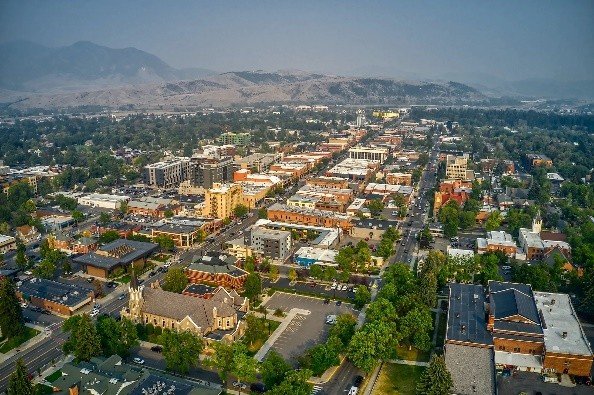
Bozeman, Montana, remains a strong market for multifamily development as of early 2026, driven by sustained population growth, a thriving economy tied to Montana State University and tech/outdoor industries, and ongoing housing affordability challenges.
Bozeman continues to attract residents, with the city population around 59,000–60,000 in 2025 and projected to grow significantly. Forecasts indicate an addition of 19,600–28,800 residents from 2025 to 2045 (up to 49% increase), fueled by remote workers, outdoor lifestyle appeal, and proximity to Yellowstone. Annual growth rates have moderated to ~1.4–2.8%, but long-term demand for housing—especially rentals—remains robust as newcomers often start as renters.
Despite recent supply additions, Bozeman faces a structural shortfall, with assessments calling for thousands of new units to match workforce needs and projected job growth (~26,000 new jobs forecasted citywide). Median home prices exceed $800,000, pricing out many residents and boosting rental demand. Multifamily projects, including income-restricted units (hundreds in pipeline), address this gap, supporting higher occupancy over time.
Bozeman’s economy is diversified and resilient, with low unemployment (~2.6%) and strong sectors like education (MSU), tech, manufacturing, and tourism. Recent job growth has outpaced national averages in key areas, with future 10-year projections at ~46%. This sustains in-migration and rental demand from young professionals, students, and seasonal workers.
Bozeman’s high quality of life—outdoor recreation, vibrant downtown, and university vibe—continues to draw investors. While short-term oversupply has cooled the market, fundamentals point to recovery: moderating construction, ongoing demographic inflows, and national trends favoring secondary cities like Bozeman for multifamily yields.
M West
Holdings
Bozeman, Montana
Perspiciatis magna, posuere malesuada ornare dolorem velit delectus autem orci, atque accusamus doloribus.